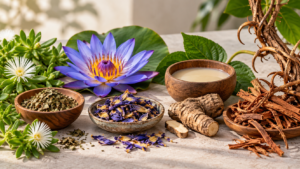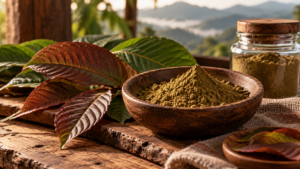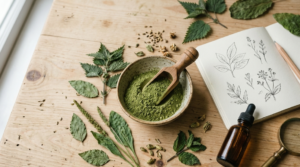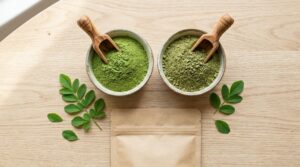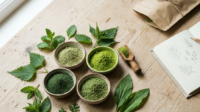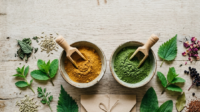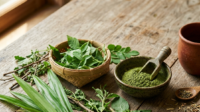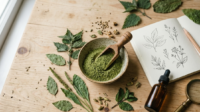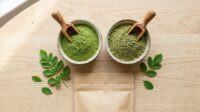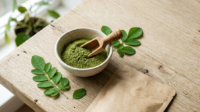
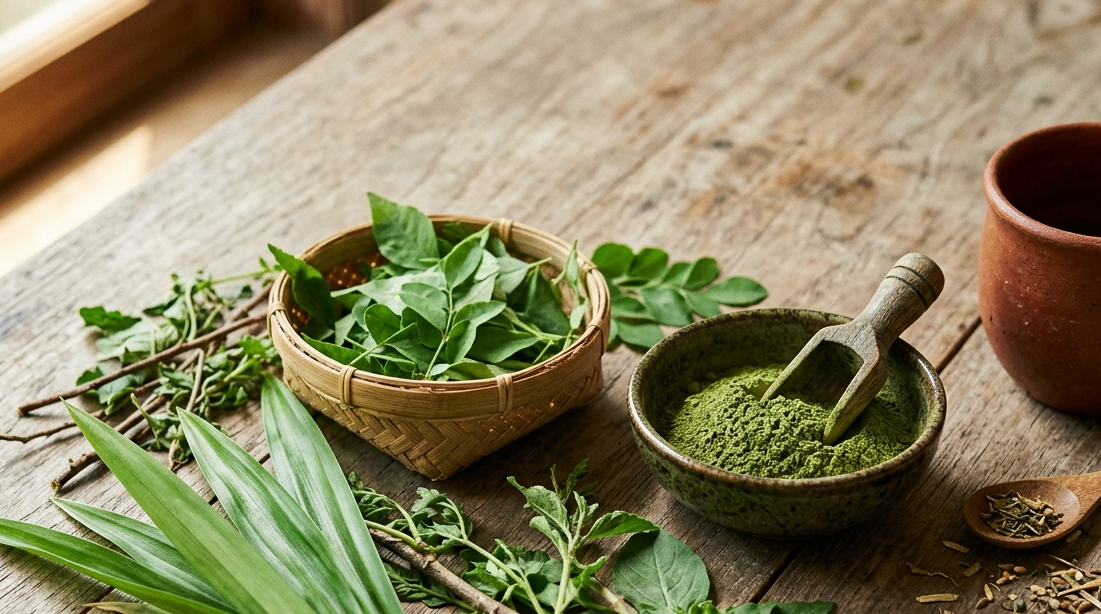
Kratom (Mitragyna speciosa) is a tree endemic to Southeast Asia and has been traditionally used, particularly in Thailand, Malaysia, and Indonesia. The traditional medicine and culture of its utilization revolves around the use of its leaves in different ways, like chewing or making tea.
In this blog, we’ll discuss the traditional use of kratom, its historical use as a medicinal herb, its use in relief, and its traditional use as a sleep aid.
Traditional Kratom Use as Medicine
In the areas where kratom is native, the leaves have been used as medicine for a wide range of ailments. Traditionally, fresh kratom leaves were chewed, or dried leaves were made into tea, which was ingested because of their stimulatory or sedative effects, depending on its dose.
Traditional medicinal uses include:
- Combating Fatigue: Manual laborers traditionally used kratom as a natural stimulant to increase energy and endurance during demanding work. Chewing the leaves helped stave off exhaustion in plantation and field workers.
- Treating Digestive Issues: Kratom tea has been commonly used to address diarrhea and other stomach ailments in folk medicine.
- Topical Applications: Crushed leaves were applied to wounds as poultices to aid in healing and provide localized relief.
- Cough and Fever: Kratom was brewed and used to soothe coughs and reduce fever, administered as part of home remedies.
- Other Conditions: Traditional users also employed kratom for ailments such as muscle cramps and intestinal parasites.
The ethnobotanical role of kratom interweaves both physical and cultural dimensions, as it was sometimes used in social and religious rituals.
Medicinal Kratom Use: Historical and Cultural Context
Some cultural practices in Southeast Asia include the use of kratom. We can go back to the 19th century to hear how kratom was a staple of rural life among many communities. It was not used solely to cure physical illnesses but also to enhance mood and energy levels.
- Cultural Significance: In Thailand, kratom was also used as a social snack and as a respectful offering during ceremonies.
- Alternative to Other Substances: In some areas, kratom was used as a substitute for opium, especially when opium was scarce or regulated.
Different strains and preparations were favored for their specific effects, and knowledge about kratom dosing was passed orally within communities.
Kratom for Relief: Traditional Applications
The idea of relief with kratom is traditionally associated with the two-fold nature of this substance, with its ability to stimulate energy in low doses and to relax in high doses. Employees said that they would use kratom to keep energy up on long, demanding shifts and then to relax at the end of the shift.
- Dose-Dependent Effects: Lower doses traditionally produced stimulant-like effects, while moderate to higher doses contributed to calming sensations and muscle relaxation.
- Day-to-Day Support: Kratom was valued for its role in helping people maintain functionality and comfort throughout their day, as reported in folk medicine.
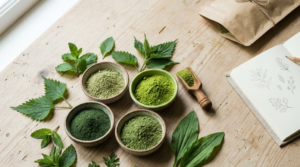
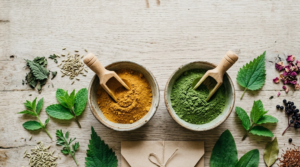
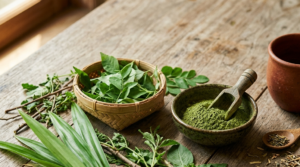
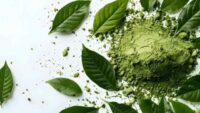
Traditional users used various consumption methods—chewing fresh leaves, making tea, or drying and crushing leaves for powdered forms—based on preference and availability.
Kratom for Sleep: Traditional Perspectives
In addition to its energizing properties, kratom has been used traditionally as a sleep aid or to promote restfulness in the evenings. This use often involved higher doses or red vein strains, which were known for their calming effects.
- Evening Consumption: People traditionally consumed kratom tea before bed to help relax the body and facilitate sleep.
- Strain Variability: Red vein kratom, prized for its sedating qualities, was a common choice for those seeking rest.
- Natural Alternative: Kratom offered an accessible and culturally accepted method for aiding sleep without synthetic sleep aids.
While modern clinical research is still emerging on this topic, traditional practices consistently support kratom’s role in promoting better sleep quality in localized populations.
Modern Interpretations of Traditional Use
Today, kratom is used globally far beyond its traditional geography. Many users and vendors highlight the traditional context as part of kratom’s appeal, emphasizing natural origins and longstanding human use.
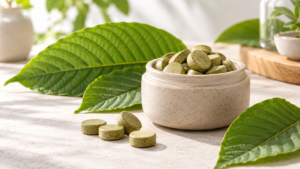
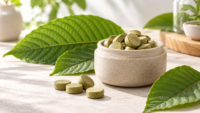
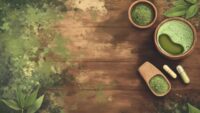
While modern markets offer various kratom formats like capsules, extracts, and powders, traditional methods remain popular, especially among cultural practitioners or herbal enthusiasts.
Responsible Use and Quality Considerations
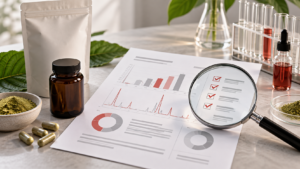
With growing interest worldwide, it is important to source kratom from reputable suppliers who provide lab-tested, pure products. Traditional use underscores the value of:
- Freshness: Traditional users preferred fresh kratom leaves or freshly prepared teas.
- Quality: High-quality kratom reflects traditional respect for the plant.
- Dosage: Understanding dose-dependent effects is crucial for safe enjoyment.
Consumers should respect traditional knowledge while approaching kratom use responsibly.
Final Thoughts
Its ancient use is centuries old, with the roots of it firmly entrenched in the culture of Southeast Asia, in which it was used as a natural resource to help people cope with daily physical exertion, help them sleep well, and help them deal with everyday aches and pains.
Its medicinal use as an energizer in the workforce and a sedative in the evenings underscores its flexibility in a variety of settings. Although modern studies go on to research and prove the effectiveness of these traditional practices, it is apparent that the traditional use of kratom reflects a respectful harmony between nature and humanity.
More Resources
Working out with Kratom: Is it worth it?