As kratom becomes more widely used, many experienced users begin asking deeper questions, not just about strains, but about consistency, tolerance, and long-term enjoyment. One of the most common strategies discussed in kratom communities is kratom strain rotation. Rather than sticking to a single strain every day, strain rotation involves intentionally alternating between different kratom varieties to better understand personal tolerance and maintain a balanced experience over time.
In this blog, we’ll have a look at testing kratom tolerance with kratom strain rotation. You’ll learn what kratom strain rotation is, how people use it to observe tolerance patterns, and how to find which kratom strain is good for you based on your own preferences and routines. The goal is not to promote exaggerated claims, but to provide a structured, thoughtful framework for navigating kratom more intentionally.
Understanding Kratom and Its Strain Diversity
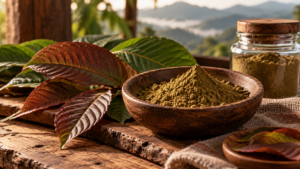
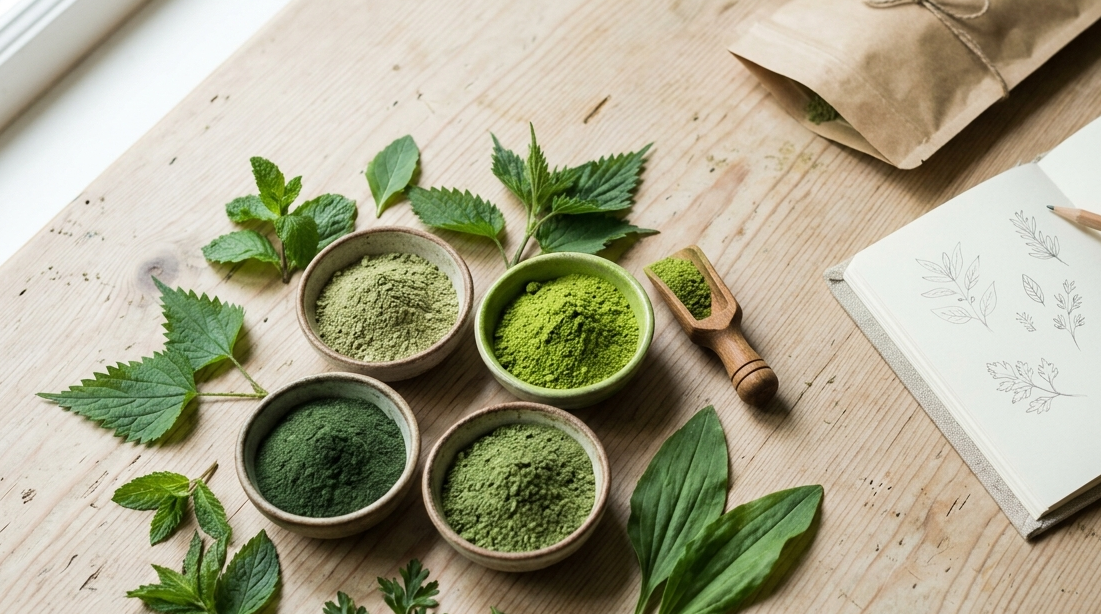
Before discussing rotation, it’s important to understand why kratom strains are treated as distinct in the first place. Kratom comes from the leaves of the Mitragyna speciosa tree, which grows primarily in Southeast Asia. While the plant species is the same, kratom products are categorized into different strains based on factors such as:
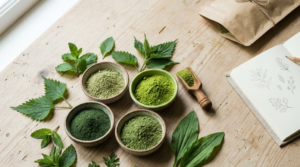
- Leaf vein color (red, green, white, etc.)
- Region of cultivation
- Harvest timing
- Drying and processing methods
These variables influence the overall profile of each strain, which is why users often describe different strains as having noticeably different characteristics.
What Is Kratom Strain Rotation?
Kratom strain rotation is the intentional practice of alternating between different kratom strains instead of using the same one continuously. This rotation can happen daily, weekly, or based on a structured schedule, depending on personal preference.
Rather than viewing kratom as a single, uniform product, strain rotation treats each strain as a distinct option with its own profile. The purpose is to introduce variation into your routine and observe how different strains interact with your body and expectations over time.
Why Strain Rotation Matters to Users
Many kratom users report that over time, using the same strain repeatedly can feel less noticeable or less engaging. While experiences vary, strain rotation is commonly used as a way to:
- Avoid over-familiarity with a single strain
- Explore the full range of kratom varieties
- Better understand personal preferences
- Test tolerance patterns in a structured way
It’s important to note that strain rotation is not about increasing quantity. Instead, it focuses on changing variety while maintaining consistency in routine and moderation.
What Is Kratom Tolerance
Kratom tolerance is the idea that repeated exposure to the same strain may lead to reduced perceived intensity over time. This doesn’t mean kratom stops working, but rather that the experience becomes more familiar and less noticeable.
Tolerance is a subjective concept. Some users notice changes quickly, while others feel little difference over long periods. Factors influencing tolerance may include:
- Frequency of use
- Strain consistency
- Serving size
- Individual sensitivity
Why Testing Tolerance Matters
Testing kratom tolerance helps users avoid unintentional escalation in use. When people feel a strain has become less noticeable, the instinct may be to increase the amount. Strain rotation offers an alternative: change the strain instead of increasing quantity.
How Kratom Strain Rotation Helps Test Tolerance
By rotating strains, users introduce novelty into their routine without relying on larger servings.
This variation allows users to observe differences in how strains feel and how tolerance may shift based on familiarity rather than quantity.
Comparative Observation
Rotating strains allows side-by-side comparison across time. For example:
- A strain used once a week may feel different than one used daily.
- A strain revisited after a break may feel more noticeable than one used continuously.
These observations help users understand whether changes are related to tolerance, strain profile, or routine habits.
Preventing Strain Fatigue
Some users describe strain fatigue as the point where a strain feels predictable or flat. Rotating strains can reduce this effect by keeping experiences varied and engaging without increasing usage.
Common Approaches to Kratom Strain Rotation
There’s no single “correct” way to rotate strains. Below are several commonly used methods, each suited to different lifestyles and preferences.
Daily Rotation
Daily rotation involves using a different strain each day. For example:
- Monday: Green strain
- Tuesday: White strain
- Wednesday: Red strain
This approach introduces frequent variation and works well for users who enjoy exploring differences regularly.
Weekly Rotation
Weekly rotation assigns one strain per week before switching. This allows deeper familiarity with each strain while still avoiding long-term repetition.
Weekly rotation is often preferred by users who want consistency within short timeframes but variety over the long term.
Purpose-Based Rotation
Some users rotate strains based on time of day or routine context. While avoiding specific health claims, this method focuses on personal preference rather than outcomes.
For example:
- One strain for mornings
- Another for afternoons
- A different one for evenings
Randomized Rotation
Less structured but still effective, randomized rotation involves selecting a different strain each session without a fixed schedule. This method emphasizes exploration and spontaneity.
How to Test Kratom Tolerance Using Strain Rotation
1. Establish a Baseline
Before rotating strains, it’s helpful to establish a baseline. Use a single strain consistently for a short period and note:
- Serving size
- Frequency
- General impressions
2. Introduce One Variable at a Time
When starting strain rotation, avoid changing multiple factors at once. Keep serving size, timing, and preparation consistent while changing only the strain. This helps isolate whether differences are due to strain variation rather than other variables.
3. Observe Patterns Over Time
Tolerance testing isn’t about one session; it’s about patterns. Pay attention to:
- How strains feel when reintroduced after a break
- Whether certain strains feel more noticeable than others
- How long does familiarity take to set in
4. Adjust Rotation Schedule if Needed
If a rotation feels too frequent or too slow, adjust it. The goal is sustainability, not complexity. Your rotation should fit naturally into your routine.
How to Find Which Kratom Strain Is Good for You
Strain rotation isn’t just about tolerance; it’s also one of the best ways to learn which kratom strains align with your preferences.
Understand Strain Categories
While individual strains vary, many users group kratom into broad categories based on vein color and processing style. These categories offer a starting point, not rigid definitions.
Exploring across categories during rotation helps you identify patterns in what you enjoy most.
Pay Attention to Subtle Differences
Rather than focusing on dramatic effects, notice subtler factors:
- How a strain fits into your routine
- How consistent it feels across sessions
- Whether it feels more or less noticeable compared to others
These observations often reveal preferences more clearly than chasing intensity.
Avoid Overgeneralizing
A single experience doesn’t define a strain. Revisit strains after time away to see if impressions change. Rotation naturally supports this process by creating built-in breaks between uses.
Use Rotation as Exploration, Not Elimination
Instead of quickly discarding strains you don’t love at first, revisit them later. Changes in routine, context, or tolerance can alter perception.
Product Quality and Strain Rotation
Why Quality Matters More During Rotation
Strain rotation works best when products are consistent and well-sourced. Low-quality kratom can blur differences between strains, making rotation less informative.
Look for:
- Clear strain labeling
- Fresh aroma and texture
- Reputable vendors with transparency
Batch Variation Awareness
Even within the same strain name, batches can vary. Rotation helps highlight these differences, but it also reinforces the importance of sourcing from reliable producers.
Common Mistakes to Avoid With Kratom Strain Rotation
1. Rotating Too Many Strains at Once
While variety is helpful, rotating too many strains simultaneously can become confusing. Start with two or three strains and expand gradually.
2. Changing Serving Size Instead of Strain
Increasing the amount when a strain feels familiar undermines the purpose of rotation. Focus on variety, not quantity.
3. Expecting Immediate Results
Tolerance testing takes time. Avoid concluding one or two sessions. Patterns emerge through repetition and observation.
4. Ignoring Routine Factors
Sleep, hydration, food intake, and daily rhythm can all influence perception. Keep these factors as consistent as possible while testing rotation.
Strain Rotation and Long-Term Use
Many experienced users view kratom strain rotation as a long-term strategy rather than a short-term fix. By maintaining variety, users often feel more in control of their routines and better informed about their preferences.
Rotation encourages:
- Mindful use
- Reduced reliance on any single strain
- Ongoing exploration without escalation
It also reinforces the idea that kratom is not a static product, but a diverse category that benefits from intentional engagement.
Building Your Own Kratom Strain Rotation Plan
- Start Simple
- Stay Consistent
- Reflect Regularly
- Adjust Gradually
Final Thoughts
Kratom strain rotation is a practical, thoughtful approach to testing tolerance and discovering personal preferences. By intentionally alternating strains, users introduce variety without increasing quantity, allowing clearer observation of patterns over time.
Ultimately, strain rotation isn’t about maximizing intensity; it’s about maintaining balance, awareness, and consistency. When used intentionally, it supports a more informed and sustainable relationship with kratom, grounded in observation rather than assumption.
If you approach strain rotation patiently and thoughtfully, it becomes less of a strategy and more of a skill, one that helps you understand both the plant and your own preferences more clearly over time.
More Resources
Working out with Kratom: Is it worth it?
What is 7-Hydroxymitragynine? A Complete Guide