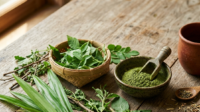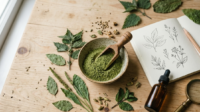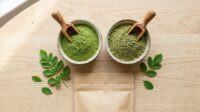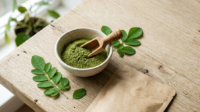
Two peculiar and a bit mysterious varieties of kratom are commonly found among kratom enthusiasts yellow vein kratom and gold vein kratom. In contrast to the old red, green, and white veins made by plainly using natural colors of leaves, yellow and gold varieties are the outcomes of the special ways of post-harvesting, special drying, and special blending. Their profiles are different due to these differences, and their characteristics do not correspond to the typical alkaloid profiles observed in the typical kratom strains.
If you’re researching yellow vs gold kratom, trying to understand their similarities, their differences, or how each one fits into the broader kratom landscape, this blog walks you through both strains in detail. We’ll unpack what each one is, how they’re made, what users often choose them for, and how they compare side-by-side. By the end, you’ll have a clear understanding of both — without making any medical claims or unsupported promises.
What Is Yellow Kratom?
Yellow vein kratom is one of the more modern additions to the kratom marketplace. It is not harvested from a tree with naturally yellow veins. Instead, the “yellow” color and name come from how the leaves are treated after harvesting. Producers use techniques like extended drying, special curing, or fermentation to create a new profile that is distinct from red, green, or white strains.
Some common methods used to create yellow kratom include:
- Sun-drying white or green leaves longer than normal, changing the leaf’s color and texture.
- Combining different vein colors, using a proprietary blend processed to produce the “yellow” result.
- Fermenting the leaves, slightly altering the final coloration and consistency of the powder.
The result is a strain known for its smooth, balanced feel, one that sits between the energy of white strains and the calmness associated with reds — without making specific claims about health or medical use.
Why Yellow Kratom Stands Out
Yellow kratom is usually chosen by people who want:
- A middle ground kratom experience
- A smoother alternative to white strains
- A strain associated with balance, clarity, and sustained effects
- Something versatile enough for daytime or early evening use
- Less harshness in taste compared to some other varieties
The charm of yellow kratom lies in its flexibility. Some find it mellow, others find it mildly uplifting, but overall, its reputation is built around being gentle and approachable.
What Is Gold Kratom?
Gold kratom is not a naturally occurring vein, but usually a blended/specifically processed kratom to provide a smoother, more well-rounded profile with a nice golden color.
The equivalent of up to several years of additional drying, controlled heat, or fermentation processes can give many brands the gold character, and may change aroma, color, and mouthfeel versus conventional powders. Still others refer to gold as being a craft blend of two or more colors of veins that form a balanced profile, and fans would tell you that it is a nuanced blend and sip-friendly cup when steeped like a tea.
Gold kratom does not have a single, official definition across the industry, and this is why the amount of product-to-product variability may be substantial. And it is noteworthy to read how a vendor goes about rolling out its gold products.
As trusted education centres point out, rather than having some different gold-coloured vein in the living leaf, the gold is either a combination or an outcome of drying and fermentation processes.
Origin of Gold Kratom
Although the kratom trees are autochthonous to the Southeast Asian region (particularly in Indonesia, Malaysia, and Thailand), the gold-labeling is an innovation; moreover, it is an innovation, which modern processing and blending have refined as opposed to a specific location of origin given the fact that all kratom trees are autchothons to the regions they are found.
As an example, common gold products include local names like the one mentioned above, Gold Bali, but the detail of gold itself uses inspiration, either as sun-drying or oven drying with low heat and controlled mixing of the veins and color to create a certain flavor and character.
Other sellers also admit that regional profiles can be replicated in other farms in Indonesia as long as they match the microclimate and post-harvest, the reason why Bali-style gold can also be made outside the island of Bali with largely comparable sensory characteristics.
In practical terms, gold kratom’s origin is a combination of Southeast Asian cultivation and a vendor’s proprietary post-harvest approach that creates the gold identity. Because of this, shoppers are encouraged to check brand materials to see whether the gold label refers to blends, processing steps, or both.
Sourcing Gold Kratom
The various causes of gold label present something that needs proper sourcing since it is important to have consistency, purity, and clarity concerning what the bag contains.
Trusted vendors normally have educational materials or product notes explaining the characteristics of whether their gold line is a multi-vein blend or a direct consequence of definite drying and fermentation, and information about batch testing, where it is available.
Pay attention to variable vendors who can be open about information about strains, publish preparation advice involving tea or recipes, and keep the same name across capsules, powders, and extracts.
Third-party educational material also encourages the buyer to be wary of blanket statements on how products are made of stronger gold and looks instead at formulation, veins, and tips that suit individual preferences.
Because gold can also be somewhat non-intensive, more of a balance and a smoothness, checking the process used by the vendor serves to set the expectations, both when deciding upon a blend-heavy gold or a process-based gold.
How Yellow and Gold Kratom Are Made: Key Differences
While both strains are created through unique processing techniques, each has a distinct origin story. Understanding these differences helps clarify why they often feel so different.
Differences in Drying and Fermentation
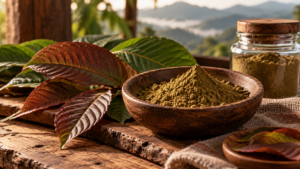
- Yellow Kratom: Generally involves longer sun-drying, strategic curing, or blending. It is often made from white or green strains.
- Gold Kratom: Typically aged or fermented more heavily. It often comes from red or red-green blends, giving it a deeper, more robust profile.
Differences in Color and Texture
- Yellow kratom has a lighter, earthier tone.
- Gold kratom has a richer, darker, caramel-like color.
Differences in Purpose
- Yellow strains are associated with balance, neither too energizing nor too calming.
- Gold strains are associated with depth, richness, and maturity.
Both offer something unique, and there is no universally “better” option — only what fits a user’s preference.
Benefits of Yellow Kratom
Even though we cannot make medical statements, we can discuss general benefits related to user experience, such as:
- Balanced effects: Many find yellow kratom mild, steady, and not overpowering.
- Consistency: It tends to offer a smooth experience that doesn’t swing too far in one direction.
- Versatility: Some users enjoy it for focus-oriented activities or social settings.
- Flavor-friendly: The gentler taste can be easier for new users.
Yellow kratom is commonly seen as a reliable “all-day strain” — flexible and approachable, without extremes.
Benefits of Gold Kratom
Gold kratom is often chosen for reasons such as:
- Richer, more defined profile
- Longer-lasting characteristics, depending on serving size
- Deeper, calmer feel than yellow strains
- Ideal for unwinding or end-of-day use
- Strong reputation among experienced kratom enthusiasts
Its aged or fermented nature gives it a warmth that many associate with evening relaxation and slower-paced activities.
Comparing Yellow vs Gold Kratom
Here’s a clear side-by-side comparison to help differentiate the two strains.
Origin and Processing
- Yellow: Extended drying, blending, or mild fermentation
- Gold: Aging, deeper fermentation, or red-based blending
Typical Leaf Source
- Yellow: Made from white or green strains
- Gold: Made from red strains or red-green blends
Experience Level
- Yellow: Beginner-friendly
- Gold: Often preferred by experienced users
Taste and Aroma
- Yellow: Mild, smooth, slightly earthy
- Gold: Rich, warm, bold, slightly deeper flavor
Suitability
- Yellow: Flexible for almost any time of day
- Gold: Often used later in the day
Why Users Choose Yellow Kratom
Yellow kratom is associated with people who want:
- Light-to-moderate effects
- A strain suitable for productivity, focus, or social settings
- A smooth, non-overwhelming profile
- Less bitterness
- A middle-ground solution between red and white strains
Why Users Choose Gold Kratom
Gold kratom is associated with people who want:
- A rich, mature kratom experience
- More depth and warmth
- Something stronger than yellow strains
- A strain better suited for winding down
- A curated blend designed for balance and calm
Storage Tips for Yellow and Gold Kratom
Both strains benefit from proper storage:
- Keep away from sunlight
- Store in airtight containers
- Keep in a cool, dry place
- Avoid humidity
- Use clean scoops or spoons
Final Thoughts
Both yellow and gold vein kratom offer unique experiences shaped by modern processing, creative blending, and careful drying. While yellow strains provide a smooth, balanced, easygoing character, gold strains deliver a richer, more mature, and calmer profile. Your ideal choice depends on your experience level, your goals, and your personal preference for aroma, depth, and timing.
If you enjoy experimenting with new kratom experiences, both yellow and gold strains offer something distinctive and worthwhile. With proper understanding, responsible serving sizes, and awareness of local regulations, you can explore these specialty strains confidently and thoughtfully.