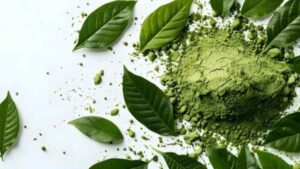
If you search for kratom online, you might encounter different strain types named by colours such as red, white, and green, but what actually creates these distinct profiles? The answer lies in a hidden step of post-harvest processing: fermentation.
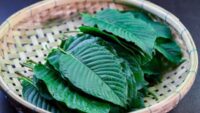
Most people are familiar with kratom strains by name, but they are not aware of the biological transformation that distinguishes standard green powder kratom from a deep red “Bentuangie”.
In this article, we will explain what fermented kratom is, how the kratom fermentation process works, and explore kratom harvesting and processing techniques. We will also clarify how to get fermented kratom while learning the potential uses of fermented kratom based on both traditional knowledge and emerging science.
What Is Fermented Kratom?
A fermented kimchi refers to the process in which kratom leaves undergo a controlled enzymatic and microbial breakdown before drying. Unlike the fermentation processes of beer, kimchi, and yogurt, which produce sour, tangy, and alcoholic end products, kratom fermentation is unique in that it is a dry, aerobic process that alters the leaves’ chemical composition without producing wet liquids or a pungent smell.
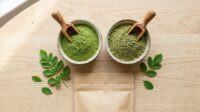
The kratom fermentation process is not about preservation but about the transformation of Alkaloids within the leaf, shifting the profile from stimulation to deep relaxation and sedation. The end product is often a dark powder that ranges from chocolate brown to deep reddish brown, which is why fermented kratom is often sold under names like Bentuangie or chocolate kratom.
Red Bentuangie is the most popular fermented kratom strain, which is originally made in Indonesia, where kratom leaves are hand-harvested from mature trees in dense rainforest and go through a secret fermentation process before being dried and milled into an ultra-fine powder. In the end, you will get a premium product with highly smooth, long-lasting, and calming effects.
The Kratom Fermentation Process: From Leaf to Powder
Understanding how to get fermented kratom requires understanding how it is made. The fermentation process is simple but highly variable, with no universal method across Southeast Asian regions.
Step 1: Harvesting
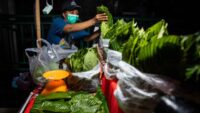
Kratom harvesting starts with the selective picking of mature leaves, which farmers typically choose at peak alkaloid stage through specific harvesting windows that vary by region and desired end product. Some commercial operations, such as Thailand GACP-certified farms, employ controlled picking protocols, which means harvesting only during specific daytimes to minimise stress compounds in the plant; however, small-scale farmers rely on forefathers’ knowledge rather than standardised schedules.
Step 2: The Fermentation Itself
After harvesting, leaves are not dried immediately; they are gathered and packed into containers, traditionally burlap sacks or black plastic bags, to provide them a sealed environment. The leaves are left in these anaerobic conditions for a specific duration, typically 24 to 72 hours. In this process, the moisture condenses inside the bag, and the leaf matter begins to “breathe” its volatile compounds. This is not spoilage but a biochemical reaction of bacteria and enzymes, which are naturally available in the leaf, but undergo a breakdown in cellular structures and convert certain alkaloids into other forms.
Key chemical changes in the fermentation of kratom include:
- Conversion of mitragynine into 7-hydroxymitragynine, which is a more potent and stronger alkaloid.
- Development of mitragynine pseudoindoxyl, which is an alkaloid known for providing relaxation, surprisingly not found in unfermented leaves.
- Degradation of chlorophyll, which changes the green colour into a darker pigmentation, such as reddish-brown hues.
Step 3: Drying
After fermentation, the leaves must be dried to stop the process and stabilize the product. Various drying methods are used, such as indoor climate-controlled drying facilities with HEPA-filtered airflow to preserve alkaloid integrity, while some farmers use the traditional sun-drying method. The goal is to dry out all the moisture to prevent mold and ensure shelf stability.
The decision of fermentation must be performed post-harvesting, before any drying takes place. Once leaves are dried, fermentation cannot occur.
Use of Fermented Kratom: Effects and Applications
Fermented kratom can be used for relaxation, sedation, and physical comfort. People use fermented strains, mainly Red Bentuangie and chocolate kratom, for deep muscle relaxation, a calm and peaceful mental state, relief from physical tension, and a longer duration of effects, typically 3 to 6 hours, with a smoother onset compared to other unfermented powders. Fermented kratom powders are a popular choice for stress relief from physically demanding days. These are more suitable for evening use.
How To Get Fermented Kratom:
The market offers several options for consumers looking to get fermented kratom, but quality varies.
The most direct way is to purchase from online sellers that offer fermented products. Ask them for Red Bentuangie, Chocolate Kratom, Yellow, or Gold strains.
Vendor Considerations
Always buy from reputable vendors who provide a certificate of analysis to check alkaloid potency and contaminant screening. It is better to understand that colour not only shows potency, but some people assume that darker colours automatically mean a better fermented product or a stronger consistency; however, inconsistencies in fermentation can also yield variable results.
The market is highly unregulated, with various scams and fraud, which is why testing with small quantities is better than buying in bulk. With smaller quantities such as 1-2 grams, you can also assess your tolerance to a certain kratom strain.
More Resources
Working out with Kratom: Is it worth it?
What is 7-Hydroxymitragynine? A Complete Guide