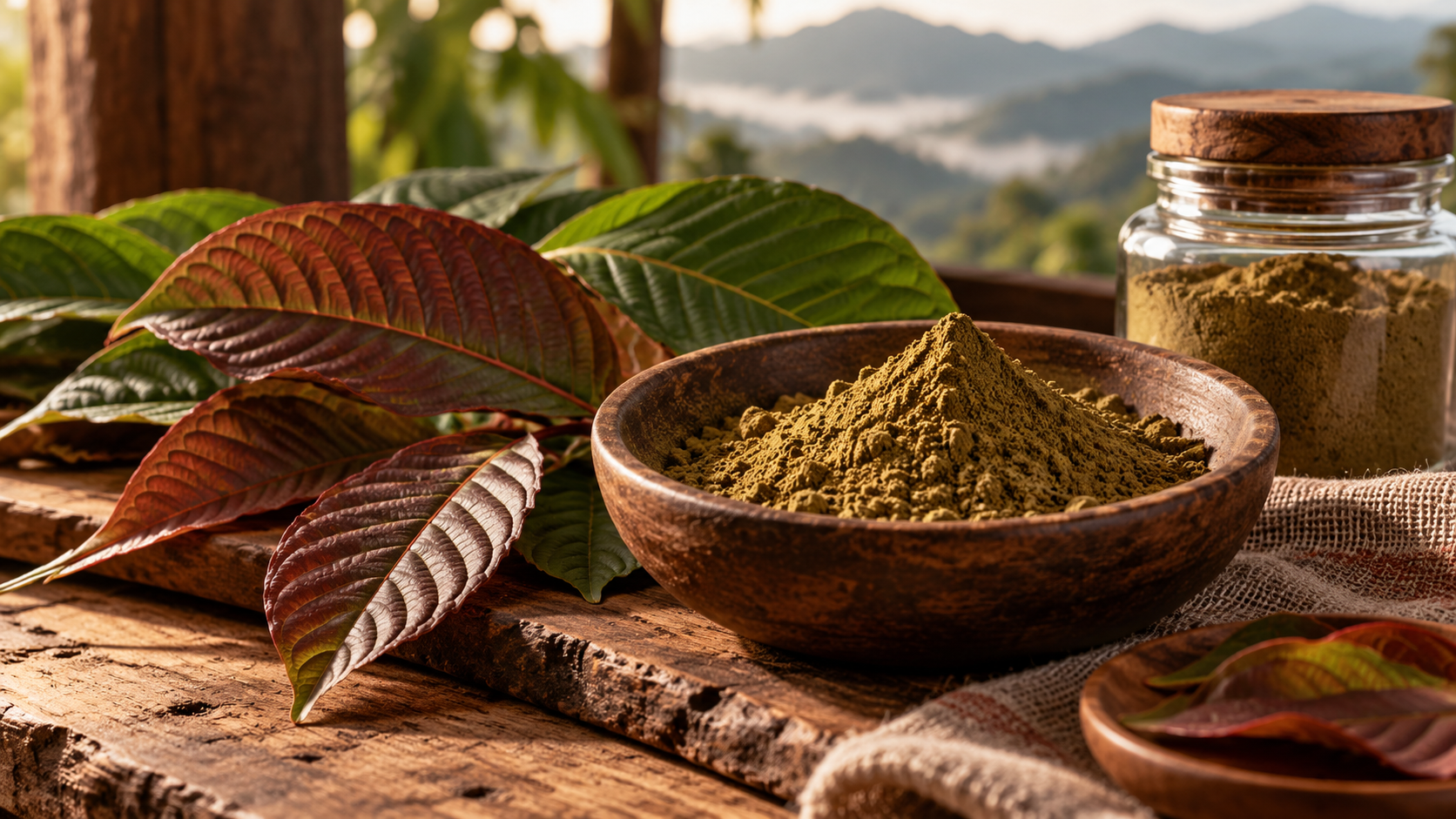
Among the wide variety of kratom strains available today, red jongkong kratom stands out for its unique origin and distinct characteristics. Named after the Jongkong region of Indonesia, this strain has developed a reputation among kratom enthusiasts due to its identifiable profile and the growing interest surrounding red vein kratom varieties.
Understanding different kratom strains can be challenging, especially for individuals who are new to this botanical product. Each strain originates from a specific region and may be harvested and processed using slightly different techniques. These factors contribute to variations in aroma, appearance, and overall user experience. Red Jongkong kratom is one such variety that reflects the environmental conditions and cultivation practices of its region.
What Is Red Jongkong Kratom?
Red Jongkong kratom comes from the Jongkong region located in West Kalimantan, Indonesia. This region is known for its dense tropical forests and nutrient-rich soil, both of which provide ideal conditions for kratom trees to grow. The kratom tree (Mitragyna speciosa) thrives in humid climates with consistent rainfall, making Indonesia one of the most important sources of kratom globally.
The Jongkong region has become particularly well known among kratom collectors and farmers for the quality of kratom trees found there. Many trees grow in the wild, so the leaves are often harvested from mature trees rather than from cultivated plantations. This natural growth environment can influence the characteristics of the final product.
Understanding the Red Vein Category
Kratom strains are generally classified into three main categories based on the color of the leaf veins:
- Red vein
- Green vein
- White vein
Red Jongkong kratom belongs to the red vein category. Red vein kratom is typically harvested when the leaves have fully matured. Mature leaves often have darker veins and undergo a drying process that contributes to the powder’s final appearance.
Color classification is not solely based on visual appearance; it also reflects differences in harvest time, leaf maturity, and drying methods. These factors influence how the kratom powder is perceived in terms of aroma, taste, and texture.
Appearance and Processing
After harvesting, kratom leaves are washed, dried, and ground into powder. In the case of red jongkong kratom, the drying process may involve indoor or shaded drying methods to preserve the leaf material before processing.
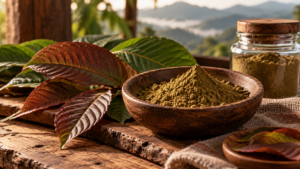
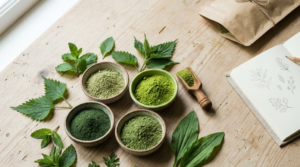
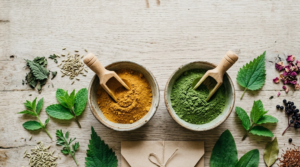
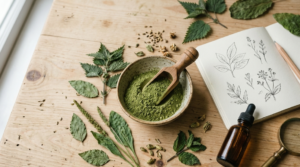
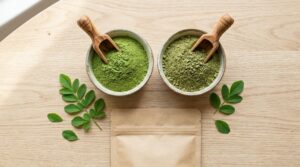
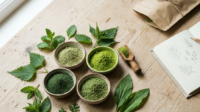
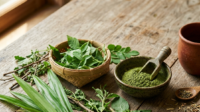
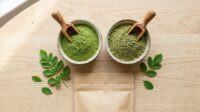
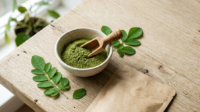
Once dried, the leaves are milled into a fine powder that typically appears dark green with subtle brown tones. This powder is then packaged and sold in several different formats, including:
Red Jongkong Kratom Strain
Characteristics of the Red Jongkong Kratom Strain
The red jongkong kratom strain is often described as having a rich botanical profile that reflects the conditions in which it grows. Because kratom trees in the Jongkong region often grow in natural environments rather than on large agricultural farms, their leaves can develop unique characteristics compared to plantation-grown varieties.
Many users notice that this strain has a slightly earthy aroma and a distinctive botanical taste common to red vein kratom powders. The texture is usually smooth and fine, making it relatively easy to mix with liquids.
Environmental factors play an important role in shaping the qualities of this strain. Soil composition, humidity levels, and harvesting techniques can all influence the final kratom powder that reaches consumers.
How It Compares With Other Red Vein Strains
There are many red vein kratom strains available today, including well-known varieties such as:
- Red Bali
- Red Borneo
- Red Maeng Da
- Red Thai
Each strain has its own origin and harvesting practices. Red Jongkong kratom is unique primarily because of its geographic location and the growing conditions found in the Jongkong region.
For example, while Red Bali and Red Borneo are widely cultivated and exported, Red Jongkong kratom often comes from smaller harvesting operations. This sometimes results in smaller production batches, which can make the strain less widely available than some other red-vein varieties.
Harvesting and Production
The process of producing red jongkong kratom typically involves several stages:
- Leaf harvesting
Farmers collect mature kratom leaves from trees in the Jongkong region. Mature leaves are preferred because they tend to have more developed characteristics. - Drying process
Leaves are carefully dried under controlled conditions to prevent spoilage and maintain quality. - Grinding and milling
Once fully dried, the leaves are ground into a fine powder using specialized milling equipment. - Packaging and distribution
The powder is packaged and distributed to vendors and suppliers worldwide.
Benefits of Red Jongkong Kratom
When discussing the benefits of red jongkong kratom, it is important to focus on general product characteristics rather than health-related claims. Kratom products are commonly appreciated for their versatility and the variety of formats in which they can be consumed.
Versatile Consumption Options
One of the primary advantages of red jongkong kratom is the flexibility it offers in terms of preparation. The powder can be consumed in several different ways depending on personal preference.
Common methods include:
- Mixing powder with water or juice
- Brewing kratom tea
- Filling empty capsules
- Blending powder into smoothies
Widely Recognized Strain
Although not as widely known as some other red vein varieties, red jongkong kratom has gained recognition among kratom enthusiasts who enjoy exploring less common strains. The strain’s regional origin and limited production contribute to its growing interest within the kratom community.
Many consumers appreciate having access to different kratom varieties, as each strain offers a slightly different botanical profile.
Availability in Multiple Product Forms
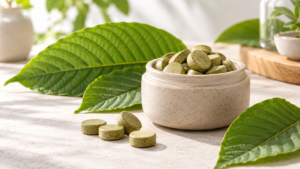
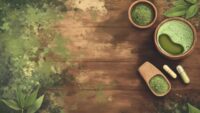
Another benefit is that red jongkong kratom can be found in several product formats. While powder remains the most common form, vendors may also offer:
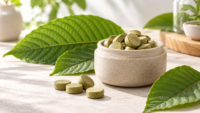
- Capsules for convenient consumption
- Tablets for measured servings
- Extract products for concentrated formulations
These options allow consumers to choose the format that best fits their routine and preferences.
Distinct Botanical Profile
Some kratom enthusiasts are drawn to red jongkong kratom because of its unique botanical characteristics. Factors such as regional soil composition and harvesting practices contribute to the powder’s aroma, color, and texture.
Side Effects of Red Jongkong Kratom
Like many botanical products, kratom may produce side effects in some individuals. These effects can vary depending on factors such as the amount consumed, individual tolerance, and the specific product used.
Digestive Discomfort
Some individuals report mild digestive discomfort when consuming kratom powder. This may include sensations such as nausea or stomach upset, particularly when kratom is taken in large amounts.
Dizziness or Lightheadedness
Another commonly reported effect associated with kratom products is dizziness or lightheadedness. This may occur when larger quantities are consumed or when individuals are new to kratom products.
Dry Mouth
Dry mouth is another experience occasionally mentioned by kratom users. Drinking water throughout the day may help reduce this effect.
Fatigue or Restlessness
Depending on the amount consumed and individual sensitivity, kratom products may sometimes lead to temporary feelings of fatigue or restlessness.
Importance of Responsible Use
Because reactions to kratom products can vary, responsible use is essential. Individuals who choose to use kratom products often follow guidelines such as:
- starting with smaller amounts
- avoiding excessive consumption
- monitoring personal tolerance
Tips for Choosing Quality Red Jongkong Kratom
With many kratom vendors available online and in physical stores, selecting high-quality products requires careful consideration.
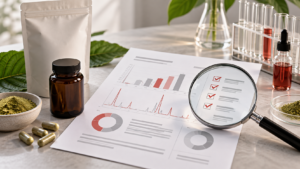
Look for Third-Party Testing
Reputable vendors often provide third-party lab testing results to verify product quality. These tests can confirm that the kratom powder is free from contaminants and meets quality standards.
Evaluate Vendor Transparency
Reliable vendors typically provide clear information about:
- kratom sourcing
- harvesting practices
- processing methods
Read Customer Feedback
Customer reviews can offer insights into product consistency and vendor reliability. While reviews should not be the sole deciding factor, they can help identify trustworthy suppliers.
Check Packaging Quality
Proper packaging helps maintain product freshness and protects kratom powder from moisture and contamination. Airtight packaging is generally recommended for botanical products.
How to Store Red Jongkong Kratom
Proper storage helps preserve the quality of kratom powder over time.
Store in Airtight Containers
Exposure to air can gradually reduce the freshness of kratom powder. Keeping the product in airtight containers helps maintain its quality.
Keep Away From Direct Sunlight
Direct sunlight can degrade botanical products. Storing kratom in a dark location helps preserve its characteristics.
Maintain Cool and Dry Conditions
Humidity and heat may cause kratom powder to clump or degrade. Storing it in a cool, dry place is generally recommended.
Final Thoughts
Red Jongkong kratom is a distinctive red vein kratom strain originating from the Jongkong region of Indonesia. Its geographic origin, natural growing conditions, and harvesting practices contribute to the unique characteristics that distinguish it from other kratom varieties.
Understanding what red jongkong kratom is, how it is produced, and how it compares with other strains can help consumers make informed decisions when exploring kratom products. The strain’s versatility, availability in multiple formats, and recognizable botanical profile have contributed to its growing interest among kratom enthusiasts.
At the same time, it is important to approach kratom products responsibly and remain aware of potential side effects. Choosing reputable vendors, verifying product quality, and practicing moderation can help ensure a more balanced and informed experience.
More Resources
Working out with Kratom: Is it worth it?
What is 7-Hydroxymitragynine? A Complete Guide